20180625_190936

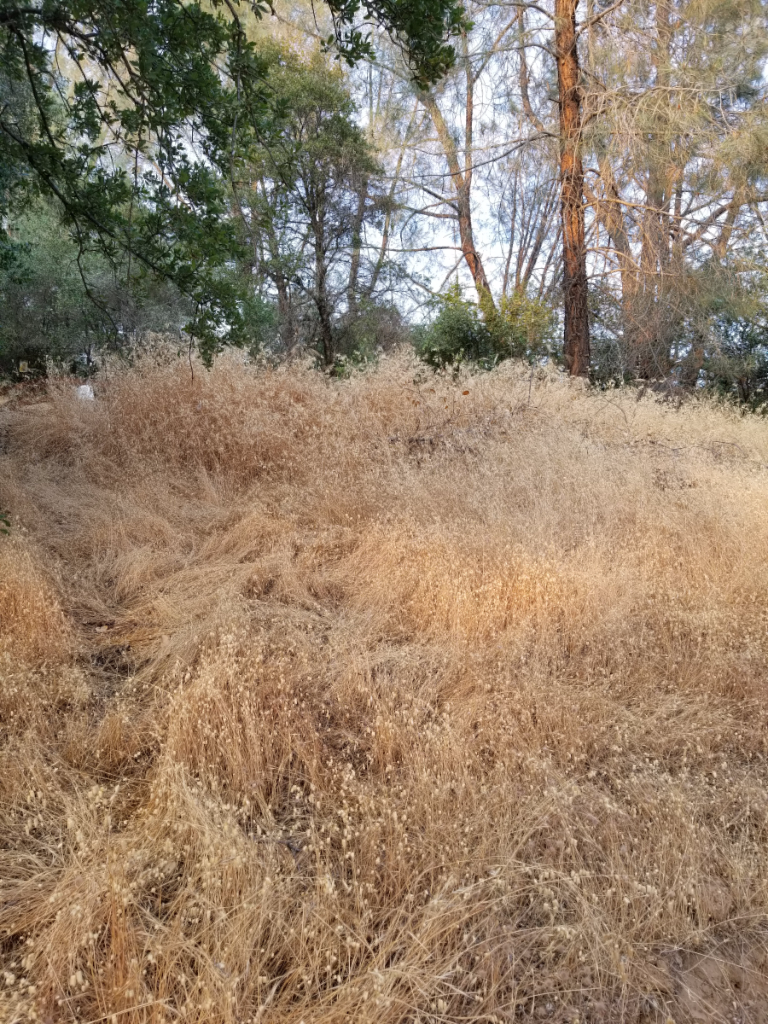
the rattlesnake grass on the right side of the drivewayroad,  here,  on the hill that rises up to campsite B.   Profusion.  This particular grass appears in other places.  But in OTHER places,  there is none,  but some other native grass.  Eitherway,  it is what was such an Amazing and Surprising GREEN this spring,  just a couple of months ago.  Everywhere here now,  there is some kind of native grass that has completed its cycle to seed.   Not just on this Hill,  but all around.  So i understand now,  how it is with the fires here.  It's an Of Course thing.  

We are working on the plan for the Doe Goats to be freed to bring down the browse.   I'm not sure if they will eat these grasses?   We'll find out.

Posted in

3 responses to “learning”

  1. Liz A Avatar

    Our spring grasses, wild rye, spangle top, needlegrass and silver bluestem, have also seeded and gone brown … tinder in our dry Texas heat. And yes, snake grass, where we walk with caution (which is to say in long pants and heavy boots, even in triple digit heat).
    Meanwhile the fall grasses, little bluestem, indiangrass, switch grass, side oats grama and the muhlys, are greening up. Fortunately, the invasive King Ranch bluestem struggles in these conditions, enabling the good prairie grasses to take back their rightful places.
    These are words I couldn’t have imagined writing eight years ago when we first moved here. It took years to make the acquaintance of the co-inhabitants on our land and now we do what we can to increase the odds of their success. Here’s hoping the goats will be partial to the invasives on your land. However it goes, your future missives are much anticipated.

    Like

  2. Mo Crow Avatar

    that looks like good mulch, cut it down to reduce the fire hazard and add organic material to the soil

    Like

  3. jaime Avatar
    jaime

    Is that the same grass that is considered horsetail grass for scouring due to the high silica content?

    Like

Leave a comment